
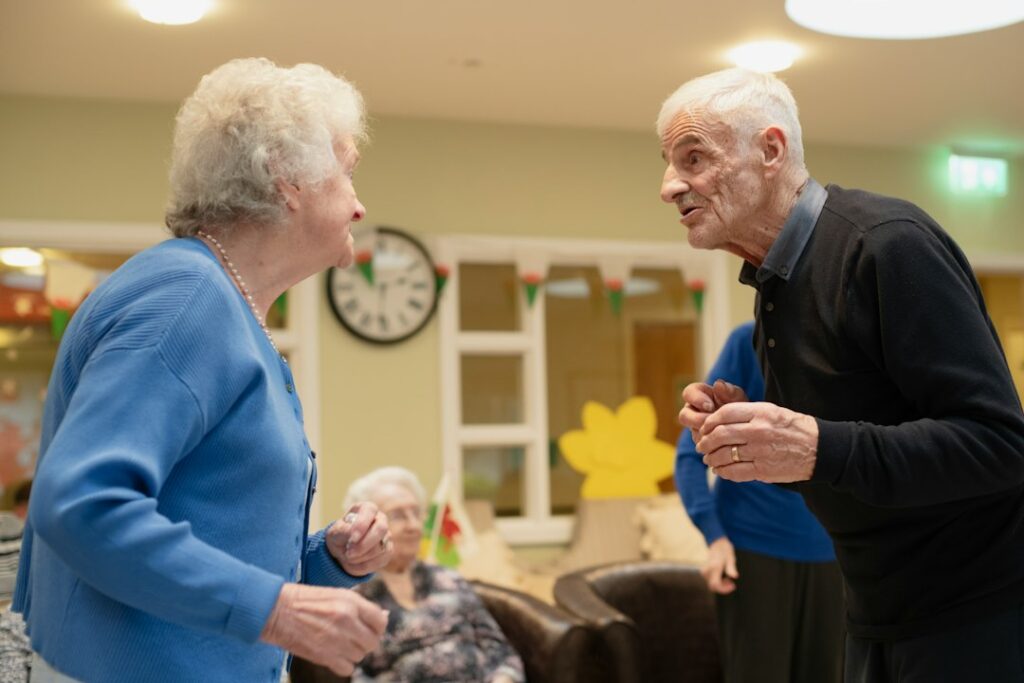
Moving into assisted living can provide greater safety, routine, and support, yet loneliness may still occur. A person can be surrounded by others and feel emotionally disconnected, especially after leaving a longtime home, losing familiar routines, or adjusting to changes in health and independence.
Loneliness is not a personal failure, and it does not always mean someone lacks people nearby. It describes a painful gap between the relationships a person wants and the connection they currently experience. Social isolation is different: it refers to having limited contact or interaction with other people. Both can affect mood, sleep, motivation, memory, and overall health.
Why can loneliness happen in assisted living?
Loneliness often develops during a period of transition. Even a move chosen willingly can involve grief, uncertainty, and the loss of familiar surroundings.
Common reasons include:
- Missing a spouse, relatives, neighbors, pets, or longtime friends
- Feeling uncomfortable in a new social setting
- Having difficulty hearing, seeing, walking, or following group conversations
- Losing the ability to drive or travel independently
- Feeling that other residents already have established friendships
- Adjusting to a different daily schedule
- Experiencing depression, anxiety, memory changes, or physical pain
- Preferring one-to-one conversation rather than large activities
A resident may attend meals or programs regularly and still feel lonely. Simply being present in a shared room does not guarantee meaningful connection. The quality of interaction matters more than the number of people nearby.
What are early signs of loneliness?
Early signs may include withdrawal, reduced appetite, changes in sleep, irritability, tearfulness, or loss of interest in activities that once brought pleasure. Some residents stop leaving their rooms, skip meals, or repeatedly say that nobody visits, even when family members remain involved.
Other signs can be less obvious. A person may become unusually critical of activities, complain of boredom, or frequently report vague physical symptoms. These concerns should not be dismissed as attention-seeking. Pain, medication effects, hearing loss, depression, and loneliness can overlap, so a noticeable change deserves thoughtful attention.
A resident who says, “I feel alone,” does not necessarily need to be persuaded that the community is friendly. The first response should be listening and acknowledging the feeling.
What can residents do to build meaningful connections?
The most effective approach is usually small, repeated contact with people who share an interest or familiar life experience. A single large social event may feel overwhelming, while a regular conversation with one person can become more comfortable over time.
Useful starting points include:
- Sitting near the same people during meals
- Greeting a neighbor each morning
- Joining a small activity rather than a crowded event
- Asking another resident about music, work, hobbies, family traditions, or local history
- Playing cards, working on a puzzle, or watching a familiar program with someone else
- Helping with a simple shared task, such as arranging materials or watering plants
- Requesting a regular phone, video, or in-person visit from family
- Keeping photographs, letters, recipes, or objects that encourage conversation
It is reasonable to try several activities before finding a good fit. A resident who dislikes exercise groups may enjoy a discussion circle, craft activity, quiet reading group, spiritual gathering, gardening project, or music program.
During cold, icy, or wet weather, outdoor plans may be limited. Indoor routines become especially valuable during winter months in Butler, PA. A predictable afternoon phone call, hallway visit, or shared beverage can provide structure when travel and outdoor activities are less practical.
How can family members help without creating pressure?
Family support works best when it is consistent, specific, and suited to the resident’s preferences. “Let me know if you need anything” may be well intended but can place the burden on someone who already feels disconnected.
More helpful approaches include:
- Calling on a predictable day and time
- Visiting for shorter periods more often, when possible
- Bringing familiar photographs, music, snacks, or reading material
- Asking open questions instead of only asking whether everything is fine
- Taking a short walk indoors or sitting together during a meal
- Including the resident in ordinary family decisions and conversations
- Helping arrange transportation or technology for communication
- Following up about a person or activity mentioned during a previous visit

A visit does not need to be entertaining. Folding laundry, looking through a photo album, listening to music, or sharing a quiet room may feel more natural than trying to fill every minute with conversation.
What should staff and residents discuss?
Residents should be encouraged to tell staff what type of interaction feels comfortable. Some people want help meeting others, while others need assistance with hearing, mobility, transportation, or communication before social activities become realistic.
Specific requests are easier to act on than a general statement such as “I am lonely.” Examples include:
- “I would like to eat with the same person a few times each week.”
- “I cannot hear conversations in large groups.”
- “Please tell me about quieter activities.”
- “I would like help calling my family.”
- “I used to enjoy gardening, church music, woodworking, or cooking.”
- “I want someone to check in with me after dinner.”
In Pennsylvania, assisted living residences and personal care homes operate under state licensing requirements. Residents and families can ask how concerns about activities, communication, care planning, and emotional well-being are documented and addressed.
When might loneliness require medical attention?
Loneliness should be discussed with a health care professional when it is persistent, worsening, or accompanied by depression, anxiety, confusion, appetite changes, sleep problems, hopelessness, or thoughts of self-harm. A medical evaluation can identify treatable contributors such as medication side effects, hearing or vision loss, pain, thyroid problems, sleep disorders, or cognitive changes.
Urgent help is needed if a person talks about wanting to die, feeling like a burden, or being unable to stay safe. In that situation, remain with the person when possible and seek immediate emergency assistance.
Depression is not an unavoidable part of aging, and loneliness is not something a resident must simply tolerate. Emotional changes deserve the same attention as changes in balance, appetite, or physical strength.
How can assisted living communities reduce loneliness?
A supportive setting does more than offer a calendar of events. It notices who is not participating, adapts activities for different abilities, and creates opportunities for repeated, low-pressure interaction.
Helpful practices include welcoming new residents personally, offering smaller groups, supporting resident-led activities, accommodating hearing and mobility needs, and making it easy for residents to maintain family relationships. Quiet spaces and private visits matter too; some people connect better away from busy common areas.
The goal is not constant socializing. Healthy connection may mean one trusted friendship, a familiar dining companion, regular contact with family, or a meaningful role in daily life. For many residents, belonging develops gradually through ordinary moments repeated over time.
