
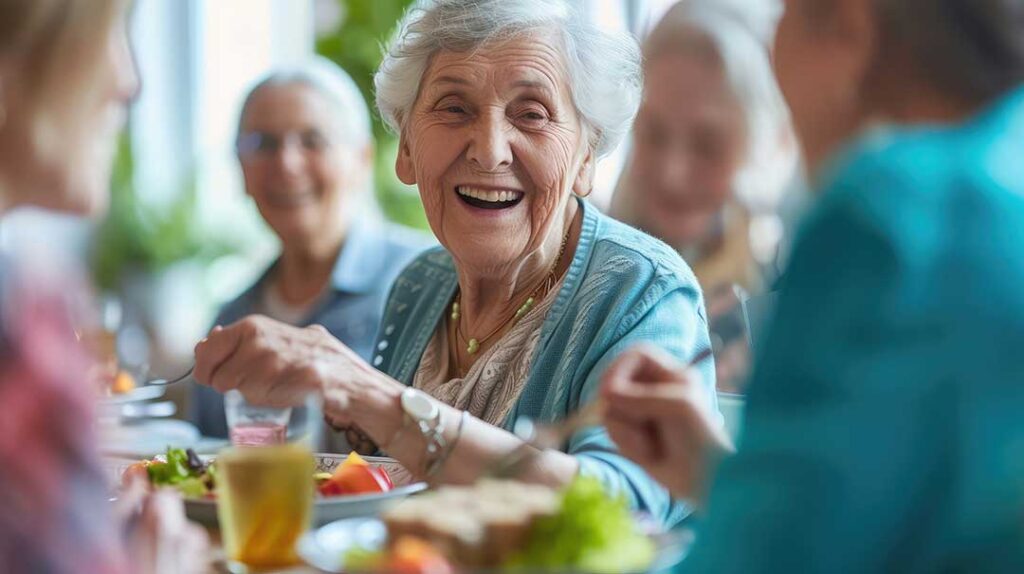
What Are Intergenerational Activities in Assisted Living Communities?
Intergenerational activities are planned experiences that bring together people of different age groups—typically children, teens, and older adults—to interact, share, and learn from one another. In an assisted living environment, these activities can include visits from local school groups, shared story times, craft workshops, or seasonal celebrations. The overall goal is to create meaningful connections and exchange life perspectives.
In Butler, PA, these activities often reflect traditions valued by area families and schools. Seasonal events (like holiday decorating in winter or spring planting projects) can feel familiar and meaningful for both assisted living residents and visiting youth.
Why Do Intergenerational Activities Matter to Residents?
Intergenerational activities offer mental, emotional, and social benefits beyond usual routines. Residents who participate often find that these events bring energy, laughter, and purpose to their days.
Research shows that intergenerational engagement can:
- Support emotional well-being by reducing feelings of loneliness
- Provide new opportunities for learning and curiosity
- Encourage physical activity through games, dance, or gardening
Residents sometimes worry that such events may be chaotic or only enjoyable for visiting children. However, most structured activities are thoughtfully planned to meet varied abilities and preferences, making them accessible and enjoyable for seniors at different care levels.
What Does Participation Look Like in a Local Setting?
In the context of Butler, guided intergenerational activities are typically adapted for the population’s mobility and health needs. For example:
- Storytelling afternoons allow residents to share personal memories with children, often sparking questions and cross-generational dialogue.
- Simple craft projects—like making holiday cards or assembling bird feeders—let participants work together while accommodating fine motor limitations.
- Seasonal traditions, such as planting flower beds in spring or singing carols in December, connect residents to memories of local community life.
Programs are generally scheduled at convenient times for both residents and youth groups, and are held in accessible common spaces. When needed, activity facilitators modify tasks so everyone feels comfortable joining in.
How Do These Activities Impact Mental and Emotional Health?
Sharing time with younger people provides a meaningful boost for many residents. These experiences can break up daily routines and bring joy to individuals who may otherwise have fewer opportunities to socialize.
Direct benefits include:
- Sharpened memory and communication skills as residents recall stories or teach new concepts
- Increased sense of value and dignity from mentoring or advising younger generations
- Fresh perspectives and humor, which can relieve stress and support resilience during challenging times
Some residents find that observing children’s energy and curiosity helps them view daily life with renewed optimism, even in the face of personal health changes.
What Questions Do Residents Often Have About These Programs?
Residents sometimes wonder if they’ll be expected to actively lead activities, or if participation is required. In practice, involvement is always voluntary, and there is usually a range of ways to contribute—from simply watching and listening to hands-on engagement. Activities are designed to be inclusive of different interest levels and comfort zones.
Other common questions include:
- Will these events be noisy or overwhelming? Most programs are held in controlled, comfortable settings, with flexible attendance.
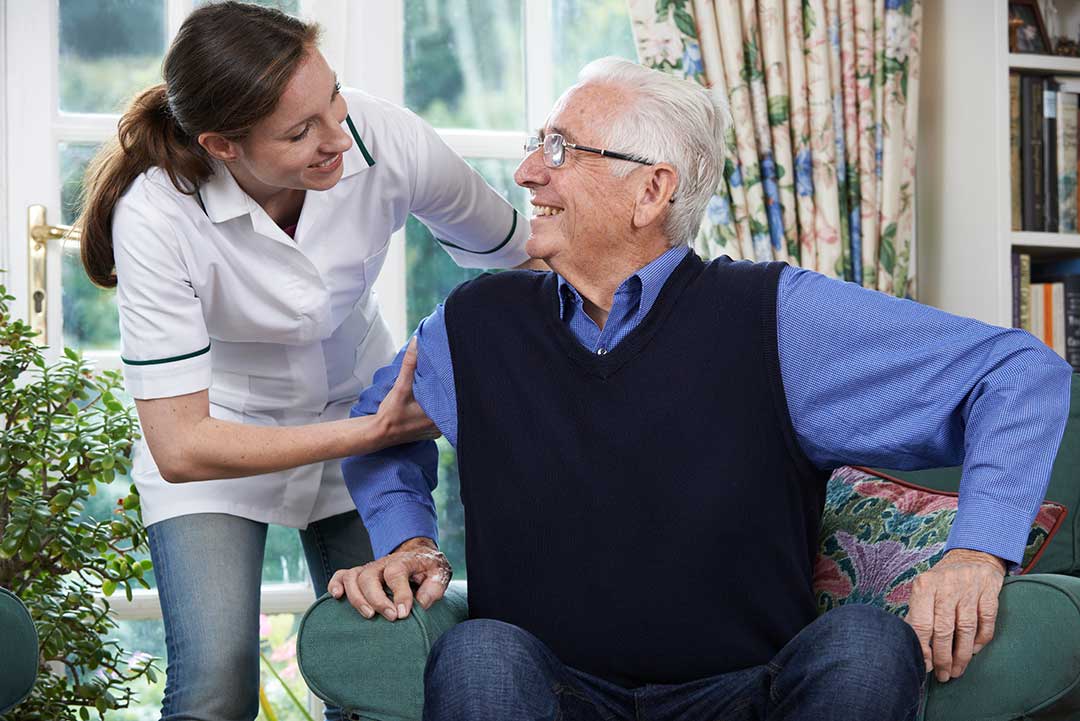
- Are these experiences safe for those with mobility or sensory impairments? Facilitators plan for accessibility and are attentive to individual needs.
- Can family members join in? In many cases, visiting relatives are welcome and may even find it rewarding to see connections forming between residents and young visitors.
Are There Unique Considerations for Winter or Summer Months?
Given Butler’s climate, some activities are adjusted for the seasons. During winter, indoor projects like baking sessions, board games, or storytelling circles are popular, keeping everyone warm and engaged. Special efforts are made to decorate shared spaces and celebrate traditional winter holidays with visiting youth.
In warmer months, outdoor gardening, nature walks, or lawn games can take place on safely accessible grounds. Sun protection, hydration, and supervised environments remain priorities for all ages.
What Are Some Misconceptions About Intergenerational Activities?
It’s easy to assume that these experiences are focused entirely on entertainment, but their benefits reach much further. A few misconceptions include:
- Only extroverted or very active residents will enjoy participating. In reality, the range of activities ensures something for everyone, including those who prefer quieter roles.
- Youth visitors are disruptive or uninterested. Local youth groups and schools are usually well-prepared and enthusiastic, approaching programs with respect and curiosity.
- These events replace regular social programming. Instead, intergenerational activities add variety and a different kind of connection, complementing existing routines.
How Are Programs Adapted to Respect Residents’ Routines and Preferences?
Careful planning ensures that intergenerational activities fit naturally into established daily patterns. Residents are typically given advance notice and can provide input on activities or themes. Staff and volunteers listen to preferences about pace, group size, and subject matter so that each session feels welcoming.
Through regular feedback, local providers continually refine offerings—choosing activities that reflect the backgrounds, beliefs, and traditions of area families. This increases engagement and builds a stronger sense of community in assisted living settings.
