
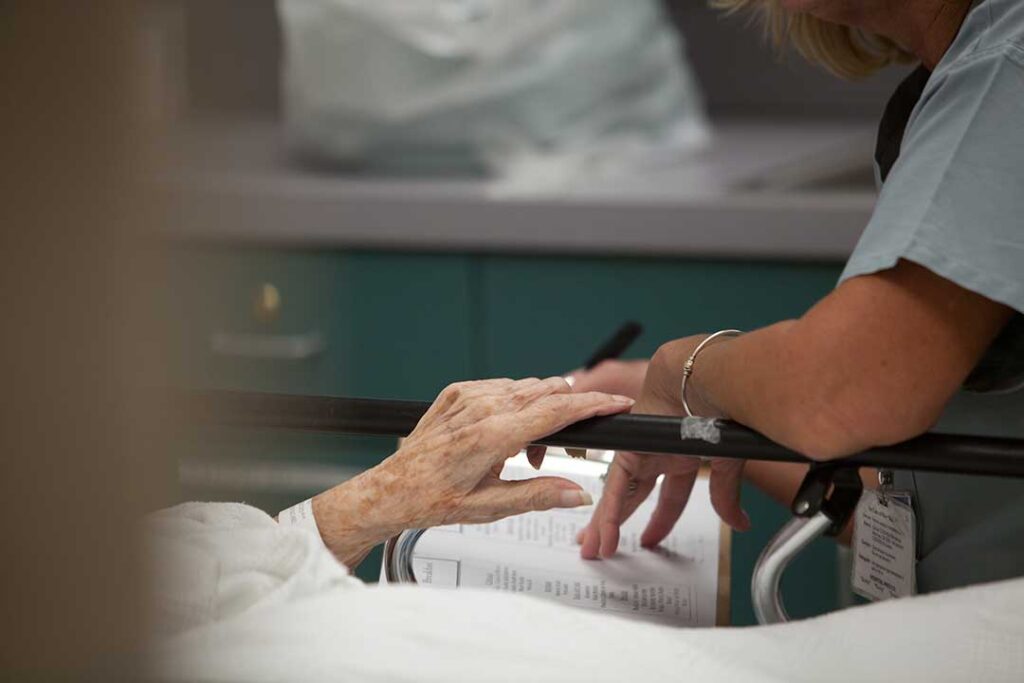
Assisted living can support senior mobility by combining safe surroundings, regular movement, daily routines, and help that matches each resident’s abilities. The goal is not simply to prevent falls. It is to help older adults continue walking, transferring, dressing, participating in activities, and moving through daily life with as much confidence and independence as possible.
For residents and families in Butler, PA, mobility planning may also need to account for winter weather, uneven outdoor surfaces, changing daylight, and homes that were not designed for easy aging in place. Assisted living offers a structured setting where these concerns can be addressed as part of everyday care.
How does assisted living help older adults stay mobile?
Assisted living supports mobility by making movement a regular part of the day rather than an occasional exercise task. Residents may walk to meals, activities, common areas, gardens, or outdoor seating instead of remaining in one room for most of the day.
This routine matters because prolonged sitting can contribute to stiffness, weakness, reduced balance, and lower confidence. Short, frequent periods of movement are often more realistic and sustainable than a demanding exercise schedule.
Mobility support may include:
- Walking routes with clear pathways and places to rest
- Assistance with transfers from beds, chairs, and toilets
- Exercise or stretching sessions suited to different ability levels
- Encouragement to use mobility aids correctly
- Staff observation when a resident’s walking pattern changes
- Activities that involve standing, reaching, turning, or walking
The amount of assistance should be adjusted over time. Too little help can create safety risks, while too much help may unintentionally reduce a person’s independence.
Why is movement built into daily routines?
Daily routines provide repeated opportunities to practice important physical skills. Walking to meals, rising from a chair, carrying light personal items, or joining a group activity can help maintain strength and coordination.
These activities also support what is sometimes called functional mobility—the ability to move safely during ordinary tasks. Functional mobility is different from athletic fitness. A resident may not need strenuous workouts to benefit from practicing:
- Standing up from a seated position
- Walking short distances several times a day
- Turning safely
- Stepping over small changes in flooring
- Reaching for items at an appropriate height
- Getting in and out of bed
Regular movement can also support social participation. Residents who feel more secure walking may be more likely to join meals, conversations, recreation, and outdoor activities. That social connection can make activity feel purposeful instead of being treated as a separate medical chore.
What role do exercise and therapy play?
Exercise programs in assisted living may focus on balance, leg strength, flexibility, posture, and endurance. Activities can often be modified for residents who use walkers, canes, wheelchairs, or other mobility equipment.
Examples include seated leg movements, supported standing, gentle stretching, walking practice, and balance exercises performed near a stable surface. The appropriate activity depends on a person’s health history, current strength, pain, balance, vision, and medical guidance.
Physical therapy may be involved when a resident is recovering from an injury, illness, surgery, or hospitalization. Therapy can address specific goals such as improving transfers, adjusting walking technique, or learning how to use a mobility aid.
A common misconception is that therapy is only useful after a serious fall. In practice, changes such as slower walking, increased reliance on furniture, difficulty rising from a chair, or avoiding activities may also signal a need for evaluation.
How does the physical environment affect mobility?
The design of an assisted living setting can make movement easier or more difficult. Clear routes, good lighting, stable flooring, visible handrails, and appropriately placed furniture reduce unnecessary obstacles.
Safety features may include:
- Well-lit hallways and bathrooms
- Grab bars near toilets and bathing areas
- Non-slip flooring and secure rugs
- Chairs with arms and suitable seat height
- Resting areas along longer walking routes
- Accessible entrances and common areas
- Adequate space for walkers and wheelchairs
The environment should support movement without making residents feel as though they are in a restricted medical facility. A welcoming setting can encourage people to leave their rooms and use shared spaces.
Outdoor access also matters. In Butler, seasonal snow, ice, rain, and shorter winter daylight can affect whether residents feel comfortable walking outside. Safe outdoor mobility may require covered paths, prompt attention to slippery surfaces, suitable footwear, and alternate indoor walking options during poor weather.
Can assisted living reduce fall risk without limiting independence?
Assisted living can reduce some fall risks, but no setting can eliminate falls entirely. The most useful approach is usually balanced: identify hazards, provide appropriate support, and preserve as much self-directed movement as possible.
Fall prevention may involve reviewing:
- Recent falls or near-falls
- Dizziness or changes in blood pressure
- Vision and hearing concerns
- Medication side effects
- Footwear and foot pain
- Walker or cane fit
- Bathroom routines
- Nighttime lighting
- The resident’s usual walking pattern

Residents should not automatically be discouraged from walking because they have fallen before. Avoiding movement can lead to deconditioning, which may increase weakness and make future movement more difficult. Safer mobility often comes from supervised practice, environmental adjustments, and timely reassessment.
How are changing mobility needs recognized?
Mobility can change gradually. A resident may first stop walking to activities, begin taking longer to rise, or need more time to complete familiar tasks. Staff who see residents throughout the day may notice these changes earlier than family members who visit occasionally.
Useful observations include whether a resident:
- Tires more quickly than usual
- Takes smaller or less steady steps
- Holds onto walls or furniture
- Has trouble turning or backing up
- Avoids stairs, thresholds, or outdoor areas
- Experiences pain during walking
- Needs more help with dressing or bathing
A change in mobility may be related to weakness, pain, illness, medication, fear, or an environmental problem. It should not automatically be dismissed as normal aging. Sudden weakness, confusion, severe dizziness, or a new inability to walk requires prompt medical attention.
What can families ask about mobility support?
Families can ask how movement is incorporated into ordinary routines rather than focusing only on formal exercise classes. Helpful questions include:
- How often do residents walk outside their rooms?
- What happens if a resident begins falling or losing balance?
- How are walkers, canes, and wheelchairs checked for proper use?
- Are there indoor walking options during snow or icy conditions?
- How are residents encouraged to participate without being pressured?
- How are changes in walking ability communicated to families?
- What support is available after a hospital stay or injury?
It is also useful to share information about a loved one’s usual abilities, previous falls, preferred activities, pain concerns, and fears about movement. Familiar goals—such as walking to meals, reaching a favorite sitting area, or standing long enough to participate in an activity—can make mobility planning more meaningful.
Assisted living promotes senior mobility most effectively when movement is treated as part of daily living. Safe design, attentive support, regular activity, and individualized planning can help older adults remain engaged in the routines and relationships that give each day structure.
