
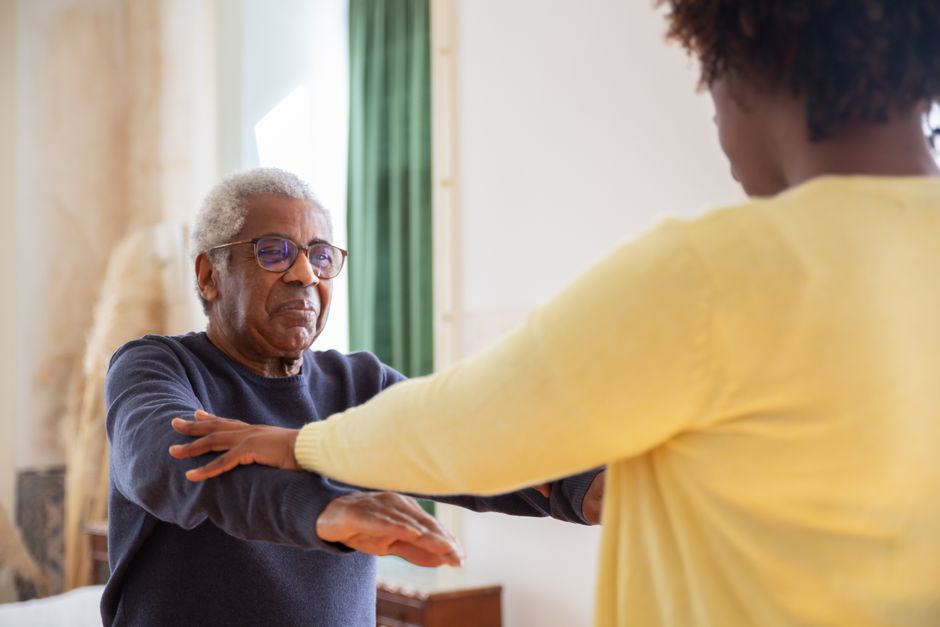
Assisted living communities increasingly use integrative therapies to support comfort, mobility, emotional health, and social connection. These approaches do not replace medical treatment. Instead, they complement routine care by addressing the physical, mental, emotional, social, and sometimes spiritual needs of residents.
What are integrative therapies in assisted living?
Integrative therapies combine standard healthcare with supportive practices that may improve daily well-being. The goal is to treat the resident as a whole person rather than focusing only on a diagnosis or physical symptom.
Common examples include:
- Gentle movement, stretching, and balance exercises
- Guided breathing or relaxation techniques
- Music, art, and reminiscence activities
- Massage or therapeutic touch when appropriate
- Aromatherapy used cautiously
- Gardening, nature-based activities, or time outdoors
- Pet visits and animal-assisted activities
- Mindfulness, meditation, or quiet reflection
- Non-drug approaches for comfort, sleep, or stress
The term “integrative” does not mean that every alternative therapy is suitable for every resident. A therapy should fit the individual’s medical history, abilities, preferences, and care plan.
How can these therapies help older adults?
Integrative therapies may help residents manage common challenges such as stiffness, loneliness, anxiety, sleep disruption, reduced appetite, or loss of confidence with movement. Benefits are usually gradual and may be modest, but they can improve the overall daily experience.
For example, a resident with arthritis may find that seated stretching makes morning movement easier. Someone living with memory loss may respond positively to familiar music from earlier decades. A resident who feels anxious before personal care may benefit from calming breathing exercises or a quiet routine.
These approaches may also encourage participation. A resident who does not enjoy formal exercise may be more willing to move during a music session, gardening activity, or supervised walking group.
Which therapies are commonly used?
Movement and gentle exercise
Seated exercise, tai chi, stretching, walking, and balance activities can support flexibility and confidence. Programs should be adapted for residents who use walkers, wheelchairs, oxygen, or other mobility equipment.
Movement sessions should account for fall risk, pain, fatigue, blood pressure concerns, and recent illness. More activity is not automatically better. Safe, consistent participation is usually more useful than strenuous exercise.
Music and creative expression
Music therapy and recreational music programs may support mood, communication, memory, and social interaction. Familiar songs can provide comfort for people with dementia, even when other forms of conversation are difficult.
Art, crafts, writing, and other creative activities can offer residents a way to express feelings and maintain a sense of identity. The value does not depend on artistic skill or producing a finished project.
Mindfulness, breathing, and relaxation
Short breathing exercises, guided imagery, prayer, meditation, and quiet time may help reduce stress. These practices can be especially useful before bedtime, during transitions, or before an unfamiliar activity.
Instructions should be simple and flexible. Some residents may find it uncomfortable to close their eyes or sit in silence. In those cases, listening to calming music, watching a nature scene, or focusing on a familiar object may be more appropriate.
Massage, touch, and sensory approaches
Gentle hand massage, warm towels, soft textures, and other sensory activities may help residents relax. These methods require attention to skin condition, circulation, bruising, neuropathy, swelling, wounds, and personal boundaries.
Touch should always be welcomed by the resident. A person who does not want physical contact can receive a different form of support, such as music, conversation, or guided breathing.
Nature, gardening, and animal-assisted activities
Plants, raised garden beds, seasonal decorations, outdoor walks, and supervised animal visits can provide sensory stimulation and companionship. Outdoor programs may be particularly meaningful during spring, summer, and early fall.
In Butler, PA, changing weather and winter conditions may limit outdoor activities for part of the year. Indoor gardening, window plants, nature recordings, birdwatching from a common room, and seasonal craft activities can offer similar benefits when snow, ice, cold, or shorter daylight hours make outdoor access difficult.
Are integrative therapies safe for people with dementia?
They can be, but safety depends on the activity and the resident. Familiar music, simple art projects, hand massage, sensory objects, and calm movement are often adaptable for people with memory loss.
Activities should avoid unnecessary complexity, competition, or correction. A resident may become frustrated if expected to follow several instructions at once. Short sessions, visual cues, repetition, and familiar routines are often more comfortable.
Staff and family members should watch for signs of distress, including pacing, withdrawal, agitation, grimacing, rapid breathing, or refusal to participate. These signs may indicate that the activity is too demanding, poorly timed, or uncomfortable.
Do integrative therapies replace medication or medical care?
No. Integrative therapies are supportive approaches, not substitutes for prescribed treatment, diagnosis, emergency care, or clinical monitoring.
A resident should not stop medication or change a treatment plan because an activity appears helpful. Integrative methods may be used alongside medical care to support comfort, function, sleep, mood, or participation.
Some therapies also carry risks. Herbs, supplements, essential oils, restrictive diets, and certain forms of bodywork may interact with medication or worsen existing conditions. Any substance taken internally or applied to the skin should be reviewed for safety.
How should families evaluate a program?
Families can ask specific questions rather than relying on broad claims about “holistic” care. Useful questions include:
- What is the purpose of the therapy?
- Who leads or supervises the activity?
- Is the approach adapted for residents with dementia, fall risk, or limited mobility?
- How are allergies, skin problems, pain, and medical restrictions handled?
- Is participation voluntary?
- How does staff document preferences or negative reactions?
- What happens if a resident becomes tired, upset, or uncomfortable?
- Are family traditions, cultural practices, and personal beliefs respected?
A sound program should explain what the therapy can and cannot do. It should also allow residents to decline without embarrassment or pressure.
What should residents expect during a session?
Most integrative activities are brief, informal, and adjustable. A session may involve seated stretching, listening to music, guided breathing, painting, a hand-care activity, or a supervised outdoor experience.
Residents should be able to ask questions, stop at any time, and receive an alternative activity. Pain, dizziness, shortness of breath, nausea, sudden confusion, or unusual fatigue should not be ignored. The activity should stop while the concern is evaluated according to the community’s care procedures.
Preferences matter as much as clinical goals. One resident may enjoy quiet meditation, while another prefers conversation, familiar songs, or time with plants. An approach is more likely to help when it feels meaningful rather than imposed.
How can families support integrative care?
Families can share information that may not appear in a medical record. Useful details include a resident’s favorite music, previous hobbies, religious or cultural routines, comfort with touch, former occupation, preferred outdoor activities, and signs of stress.
Family members can also help identify changes. If a resident sleeps better after an evening relaxation activity or becomes distressed during a particular sensory program, that information can help staff adjust the care plan.
The most useful integrative therapy is not necessarily the newest or most elaborate. It is the approach that is safe, respectful, practical, and connected to the resident’s history and current needs.
