
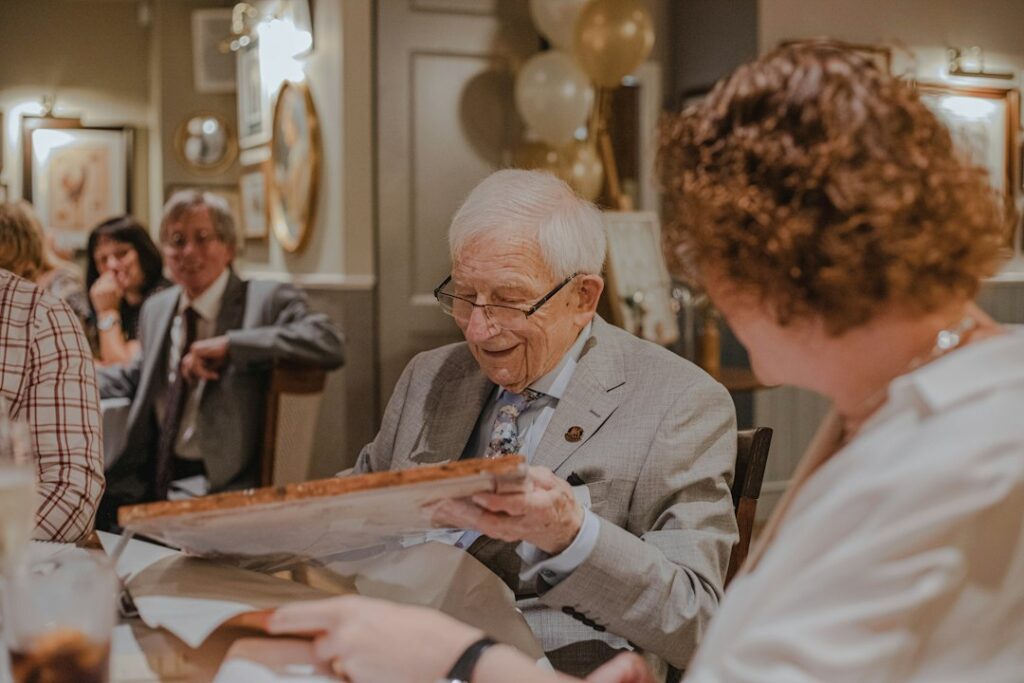
Why do family members attend assisted living events?
Family members attend assisted living events to stay connected, understand daily life, and support the resident’s well-being. Events can include meals, holiday gatherings, exercise classes, educational talks, music programs, resident meetings, outdoor activities, and informal social hours.
Participation does not need to be frequent or lengthy to be meaningful. A short visit to a craft activity may be more comfortable for a resident than a large celebration. The most useful approach is to match the event to the resident’s interests, energy level, communication style, and health needs.
For families in Butler, seasonal conditions may also affect attendance. Winter weather, icy walkways, shorter daylight hours, and summer heat can influence transportation and how long a resident feels comfortable participating. Planning around these factors can make visits safer and less stressful.
How can a family member choose the right event?
The right event is usually one that fits the resident rather than one that looks most impressive on the calendar. Before attending, consider the following:
- Does the resident enjoy groups, or prefer smaller gatherings?
- Is the event during the resident’s most alert time of day?
- Will the activity involve standing, walking, loud music, or bright lighting?
- Is the resident likely to recognize the setting and understand what is happening?
- Would a familiar family member make participation easier?
- Could the event be tiring because of medication schedules, meals, or personal care routines?
A resident who once enjoyed large celebrations may now prefer a quiet discussion, a short musical performance, or a walk in a common area. Changes in hearing, vision, mobility, memory, or stamina can alter what feels enjoyable. An event should not be judged only by whether the resident stays for the entire program.
What should a family member do before attending?
A little preparation helps prevent confusion. Ask about the event’s time, location, expected length, dress needs, accessibility, and whether family participation is appropriate. It may also help to learn whether food, pets, strong fragrances, flashing lights, or unfamiliar guests will be present.
If the resident has memory loss or becomes anxious in unfamiliar situations, explain the plan in simple terms. For example, a family member might say, “We are going to listen to music for about thirty minutes, then we can have a snack.” Too much advance detail can sometimes increase worry.
Bring practical items that support comfort, such as:
- Glasses, hearing aids, or communication devices
- A sweater for rooms that feel cool
- Comfortable shoes
- Water, if permitted
- A familiar object or photograph
- Written reminders if the resident benefits from them
For outdoor activities, check the temperature and ground conditions. In Butler, snow, rain, mud, and uneven surfaces can make outdoor participation difficult even when the activity itself is appropriate.
How can family members participate without taking over?
Family participation works best when it supports the resident’s independence. Offer help, but allow the resident to make choices whenever possible. A family member can ask, “Would you like to sit here or over there?” rather than deciding immediately.
During group events, avoid answering every question for the resident or speaking as though the resident is not present. If communication is difficult, pause and give the resident time to respond. Some residents need several seconds to process a question or find the right words.
Family members can participate by:
- Joining a game or craft without directing every step
- Sitting nearby during a performance
- Helping the resident greet others
- Encouraging conversation about familiar subjects
- Supporting safe movement without pulling or rushing
- Taking part in celebrations while respecting the resident’s preferences
The goal is companionship, not performance. A resident does not need to appear cheerful, social, or energetic throughout the event for the visit to be valuable.
What if the resident refuses to attend?
Refusal does not always mean the resident dislikes the family member or the activity. The resident may be tired, uncomfortable, confused, worried about crowds, or unable to understand the invitation. Pressuring participation can increase distress.
Try asking about the reason in a calm way. If the resident says no, offer a smaller alternative, such as sitting in a quieter area, looking at event decorations, or visiting privately afterward. Sometimes the best choice is to respect the refusal and return at another time.
Watch for signs that the resident is overwhelmed:
- Repeated attempts to leave
- Agitation or sudden silence
- Covering the ears or closing the eyes
- Pacing, trembling, or calling out
- Increased confusion
- Facial expressions that suggest pain or fear

If these signs appear, reduce noise and conversation, offer reassurance, and help the resident move to a calmer setting. A family member should share repeated patterns with the appropriate care staff so the event schedule or approach can be adjusted.
How can family members build relationships with other residents and families?
It is natural to greet people and make brief conversation, but privacy should guide every interaction. Avoid asking another resident about medical conditions, family problems, finances, or why the person lives in assisted living. Simple topics such as music, seasons, hobbies, pets, books, or local weather are usually easier.
Family members should also avoid photographing or recording other residents unless clear permission has been given. A group event may look public, but residents still have personal privacy rights and individual preferences.
Respectful participation can help create a welcoming atmosphere without turning the event into a family gathering that excludes residents. Speak with the resident first, include nearby participants when appropriate, and avoid monopolizing shared spaces.
What questions should families ask after an event?
A useful conversation focuses on the resident’s experience rather than whether the event went according to plan. Ask open but simple questions:
- What part did you enjoy?
- Was anything uncomfortable?
- Would you want to attend something like this again?
- Was the room too loud or too crowded?
- Did you recognize anyone there?
- Would you prefer a shorter visit next time?
Some residents may not remember the event clearly. In that case, emotional responses and observed behavior may provide more information than exact details. A resident who seemed relaxed afterward may have benefited even without recalling the activity.
Families can also keep brief notes about the time of day, event type, length of visit, and the resident’s response. This may reveal patterns, such as better participation in the morning, greater comfort in smaller groups, or fatigue after extended celebrations.
How can family involvement remain consistent?
Consistency matters more than attending every event. A family can choose a manageable rhythm, such as joining one regular activity each month, visiting during selected holidays, or participating in events that match the resident’s interests.
If travel is difficult during winter or family schedules change, staying connected may involve shorter visits, shared photographs, handwritten notes, or a phone conversation arranged around the resident’s routine. Any alternative should be adapted to the resident’s hearing, vision, memory, and communication needs.
Family members should also communicate changes that may affect participation, such as illness, mobility concerns, grief, sleep disruption, or a new fear of crowds. Clear communication helps staff and relatives respond consistently.
An assisted living event is not a test of social ability or family commitment. It is an opportunity to share time in a setting that may already be familiar to the resident. Thoughtful participation means choosing suitable activities, respecting personal limits, protecting privacy, and paying attention to what helps the resident feel comfortable and included.
