
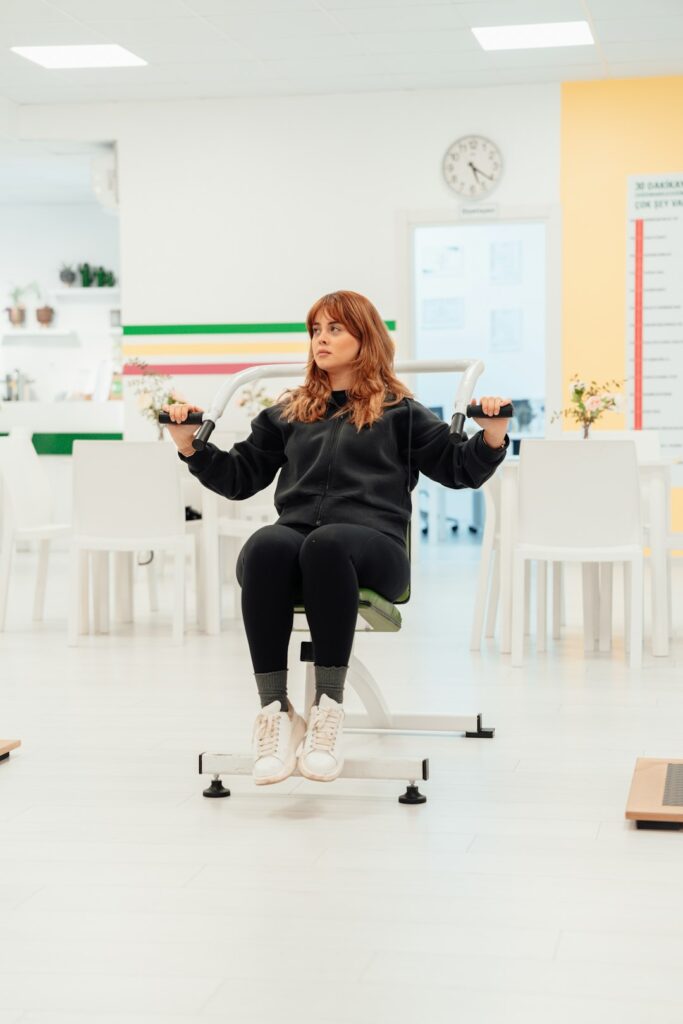
Assisted living fitness programs should help older adults maintain strength, balance, mobility, confidence, and independence without creating unnecessary risk. The most useful programs are adaptable, supervised, and built around the abilities of the people participating—not around athletic performance.
What should a senior fitness program include?
A well-rounded program usually combines strength, balance, flexibility, endurance, and functional movement. These areas support everyday activities such as standing from a chair, walking to meals, carrying personal items, using stairs, or getting in and out of bed.
Common activities may include:
- Seated or standing exercises for the legs, arms, and core
- Gentle stretching for the shoulders, hips, ankles, and back
- Balance practice using a chair, railing, or other stable support
- Walking indoors or outdoors when conditions are suitable
- Light resistance exercises using bands, small weights, or body weight
- Movements that imitate daily tasks, such as reaching, stepping, and rising from a chair
- Breathing, posture, and relaxation exercises
Programs do not need to be intense to be effective. Regular participation in moderate, appropriately paced movement can be more useful than occasional strenuous exercise.
Why is fitness important in assisted living?
Physical activity can support mobility and help residents remain involved in daily routines. Strength and balance training may make it easier to walk safely, transfer between surfaces, and respond to a trip or change in footing.
Exercise may also contribute to:
- Better joint movement and flexibility
- Improved stamina for meals, activities, and personal care
- Greater confidence with walking and transfers
- Reduced stiffness after sitting for long periods
- Support for mood, sleep, and social connection
- Continued participation in hobbies and community activities
Fitness programming is not a substitute for medical treatment, and it does not prevent every fall or health problem. Its purpose is to support safe function at the level each resident can manage.
Are seated exercises useful for older adults?
Yes. Seated exercise can provide meaningful movement for people who use wheelchairs, tire easily, have limited balance, or are beginning a new activity routine. It can strengthen the arms and legs, improve circulation, support posture, and maintain joint range of motion.
Examples include:
- Marching in place while seated
- Straightening one knee at a time
- Reaching forward or overhead within a comfortable range
- Turning the head and shoulders gently from side to side
- Pressing the hands together or using a light resistance band
- Moving the ankles up, down, and in circles
Seated exercise should not be treated as “lesser” exercise. For some residents, it is the safest way to build strength and confidence before attempting more standing activity.
How can programs be adapted for different ability levels?
Residents in assisted living may have very different needs. A group class should offer several ways to participate rather than expecting everyone to perform the same movement.
A single activity might be adapted in these ways:
- Perform it seated, standing, or with support
- Use a smaller range of motion
- Reduce the number of repetitions
- Slow the pace
- Remove resistance
- Take additional rest periods
- Complete only the portions that feel manageable
Someone recovering from illness, surgery, or an injury may need a highly individualized plan. A resident with memory loss may benefit from simple instructions, demonstrations, familiar routines, and consistent class times. People with vision or hearing changes may need clear verbal cues, good lighting, and a position where the instructor is easy to see.
What safety precautions matter most?
Safety begins before exercise starts. Residents should follow any movement restrictions or activity instructions provided by their healthcare team. New or worsening symptoms should not be ignored.
During a class, participants should stop and report symptoms such as:
- Chest pressure or pain
- Severe shortness of breath
- Faintness, confusion, or unusual weakness
- Sudden loss of coordination
- New severe pain
- A fast or irregular heartbeat that feels concerning
Stable footwear, clear walking paths, properly adjusted chairs, and adequate lighting are also important. Exercise areas should not have loose rugs, clutter, wet floors, or unstable furniture. Staff should know which residents need assistance with transfers, walking, or equipment.

A common misconception is that holding onto a chair automatically makes an exercise safe. The chair must be sturdy and placed so it cannot slide or tip. Residents who are unsteady should not practice standing balance alone.
How often should residents exercise?
The appropriate schedule depends on health, mobility, fatigue, and personal goals. Many residents benefit from short activity periods spread across the week rather than one long session.
A practical routine might include:
- Gentle movement most days
- Strength-focused activity on several days each week
- Balance practice when a safe support system is available
- Stretching after the body is warmed up
- Rest between activities when needed
Even five to ten minutes of movement can be a useful starting point for someone who has been inactive. Time and intensity can gradually increase if the resident feels well and is recovering normally between sessions.
The goal should be consistency, not competition. A resident who walks briefly each day may gain more functional benefit than someone who attends an occasional demanding class but cannot maintain the routine.
What activities work well in Butler, PA during different seasons?
Seasonal conditions can affect how and where residents exercise. In Butler, PA, winter cold, snow, ice, and shorter daylight hours may make outdoor walking less practical. Indoor hallways, activity rooms, and clearly supervised walking routes can provide safer alternatives during poor weather.
During warmer months, outdoor movement may be comfortable when heat, humidity, sun exposure, and uneven ground are considered. Outdoor walking areas should offer stable surfaces, seating for rest, shade when possible, and a way to return indoors without excessive exertion.
Weather should not determine whether residents move at all. It may simply change the location, duration, or type of activity.
How can families support participation?
Families can encourage activity by asking about what the resident enjoys and what feels difficult. A person may be more willing to attend a movement class connected to music, gardening, walking, dancing, or another familiar interest.
Helpful questions include:
- Which activities feel comfortable?
- Is fatigue limiting participation?
- Does the resident need a seated option?
- Are pain, dizziness, fear of falling, or transportation within the building creating a barrier?
- Would a smaller class or quieter setting be easier?
Praise for effort is generally more useful than focusing on speed, repetitions, or appearance. Residents should retain the ability to say no, pause, or choose a modified version.
What should residents ask before joining a program?
Before participating, residents or family members may want to ask:
- Is the program designed for different mobility levels?
- Can exercises be completed seated?
- How are falls and medical emergencies handled?
- Are staff aware of residents’ movement restrictions?
- Is equipment checked and easy to use?
- Can residents take breaks without feeling pressured?
- How does the program change during bad weather?
- Are walking activities supervised when needed?
A good program respects individual limits, makes modifications routine, and treats safe movement as part of daily living rather than as a test of fitness.
